Educational Guide to Men's Daily Wellness
Explore the science behind natural ingredients, vitamins, and minerals that support men's everyday health through balanced nutrition and lifestyle practices.
Explore Topics
Explore the science behind natural ingredients, vitamins, and minerals that support men's everyday health through balanced nutrition and lifestyle practices.
Explore Topics
Understanding the foundational components of daily nutrition
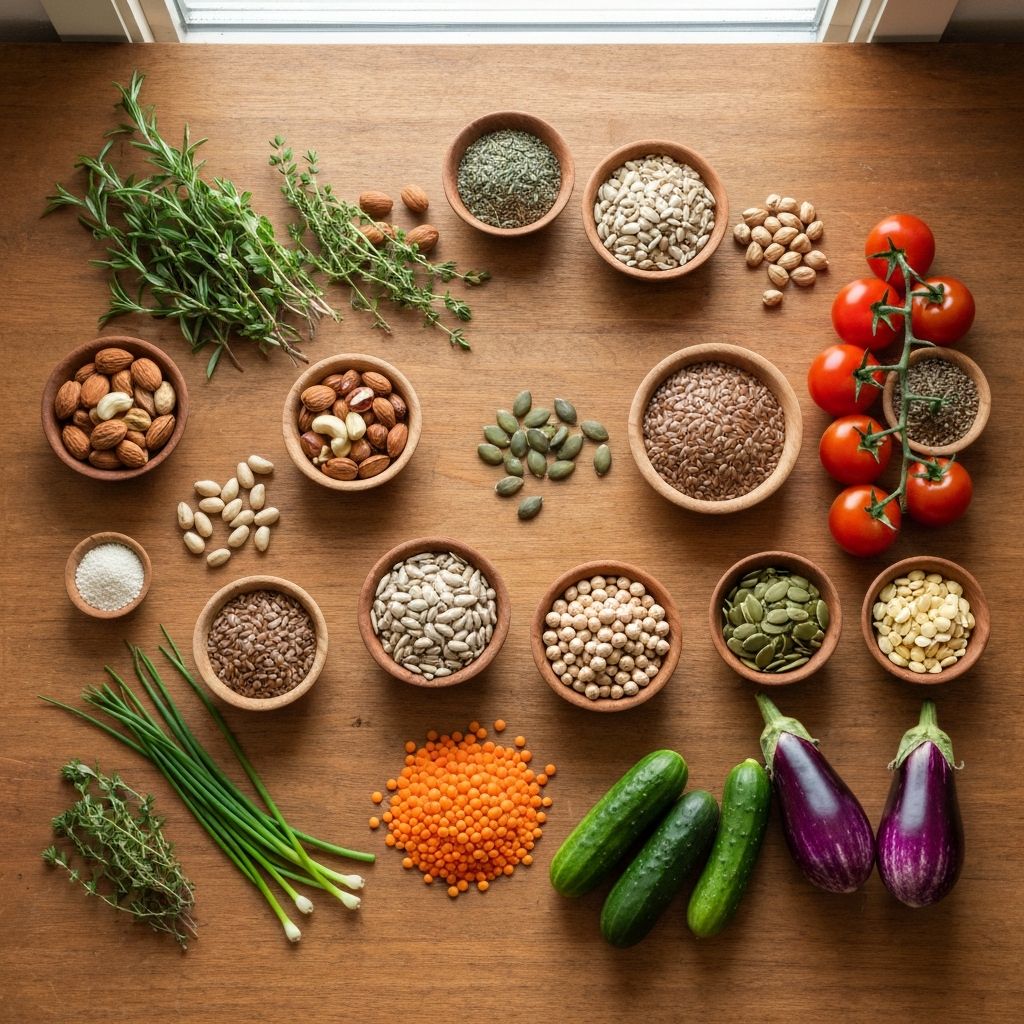
Natural ingredients form the foundation of daily nutrition. Throughout history, men have relied on diverse food sources to meet their nutritional needs. Understanding where these nutrients come from helps us appreciate the complexity of balanced eating.
Common natural sources include leafy green vegetables, nuts, seeds, whole grains, legumes, and fresh fruits. Each category provides different combinations of vitamins, minerals, and other compounds that contribute to overall wellness when consumed as part of a varied diet.
Different cultures around the world have developed unique approaches to incorporating natural ingredients into daily meals. Mediterranean diets emphasize olive oil and fish, Asian cuisines feature soy and seaweed, while traditional European meals include root vegetables and dairy products.
These diverse eating patterns demonstrate that there are many valid approaches to nutrition, each shaped by geography, agriculture, and cultural traditions. No single approach is universally superior, and individuals may draw inspiration from multiple traditions.
Educational information about vitamins and minerals
Vitamins are organic compounds found in various foods. They are categorized as either water-soluble or fat-soluble, a distinction that affects how they are absorbed and stored in the body.
Water-soluble vitamins include the B-complex vitamins and vitamin C. These are typically not stored in large amounts and need to be consumed regularly through diet. Fat-soluble vitamins include vitamins A, D, E, and K, which can be stored in body tissues.
Different foods contain different vitamin profiles. For example, citrus fruits are known sources of vitamin C, while dairy products often contain vitamin D. Leafy greens provide vitamin K, and nuts are sources of vitamin E.
Minerals are inorganic elements that play various structural and functional roles in the body. They are classified as either major minerals or trace elements based on the amounts typically present in the body.
Major minerals include calcium, magnesium, potassium, and sodium. Trace elements include zinc, iron, selenium, and copper. Each has distinct dietary sources and participates in different biological processes.
Mineral content varies widely across foods. Dairy products contain calcium, leafy greens provide magnesium, seafood offers selenium, and legumes are sources of iron. A varied diet naturally provides a range of these elements.
The information provided here is educational in nature and describes general nutritional concepts. It does not constitute personalized advice or recommendations for any individual. Nutritional needs vary based on numerous factors including age, activity level, health status, and personal circumstances.
This content is not intended to diagnose, influence decisions, or replace personalized guidance. Different approaches to nutrition exist, and individuals should make their own informed choices based on their unique situations.
Visual perspectives on daily wellness practices

Starting the day with balanced meals is a common practice across many cultures and lifestyles.

Preparing food at home allows for greater awareness of ingredients and cooking methods.

Physical activity and nutrition are interconnected aspects of overall lifestyle patterns.
How different societies approach male dietary patterns
Throughout history, men's dietary patterns have been shaped by occupational demands, geographic location, and available food sources. Agricultural societies developed different eating patterns than nomadic or fishing communities.
In many traditional societies, meals were structured around seasonal availability and preservation methods. This led to diverse approaches to ensuring adequate nutrition throughout the year, with each culture developing its own solutions.
Contemporary approaches to men's nutrition reflect both traditional wisdom and modern understanding of food science. Urban living patterns differ from rural ones, and globalization has made diverse ingredients more widely available.
Today's information environment allows individuals to learn about nutritional concepts from around the world. This has led to hybrid approaches that combine elements from different traditions based on personal preferences and circumstances.
Educational perspectives on everyday health practices

Nutritional balance refers to consuming a variety of foods that collectively provide the range of nutrients needed for daily functions. This concept has been understood in various forms across different cultures and time periods.
Modern nutritional science has identified specific compounds and their food sources, but the principle of dietary variety predates scientific analysis. Traditional cuisines naturally incorporated diverse ingredients, achieving balance through practical experience rather than biochemical knowledge.
Wellness encompasses more than just food choices. Sleep patterns, physical activity, stress levels, and social connections all interact with nutritional status in complex ways. These factors are interconnected rather than isolated.
Different individuals prioritize these factors differently based on their circumstances, values, and goals. There is no universal formula, and approaches to wellness continue to evolve as understanding develops.
Topics for further exploration and learning
Learn about the different categories of vitamins, their natural food sources, and their roles in human biochemistry.
Read MoreExplore the world of dietary minerals, from major minerals to trace elements, and their presence in various foods.
Read MoreExamine how different lifestyle factors interact with nutrition and contribute to overall daily wellness practices.
Read More
Receive informational content about nutrition science, lifestyle wellness, and educational resources.